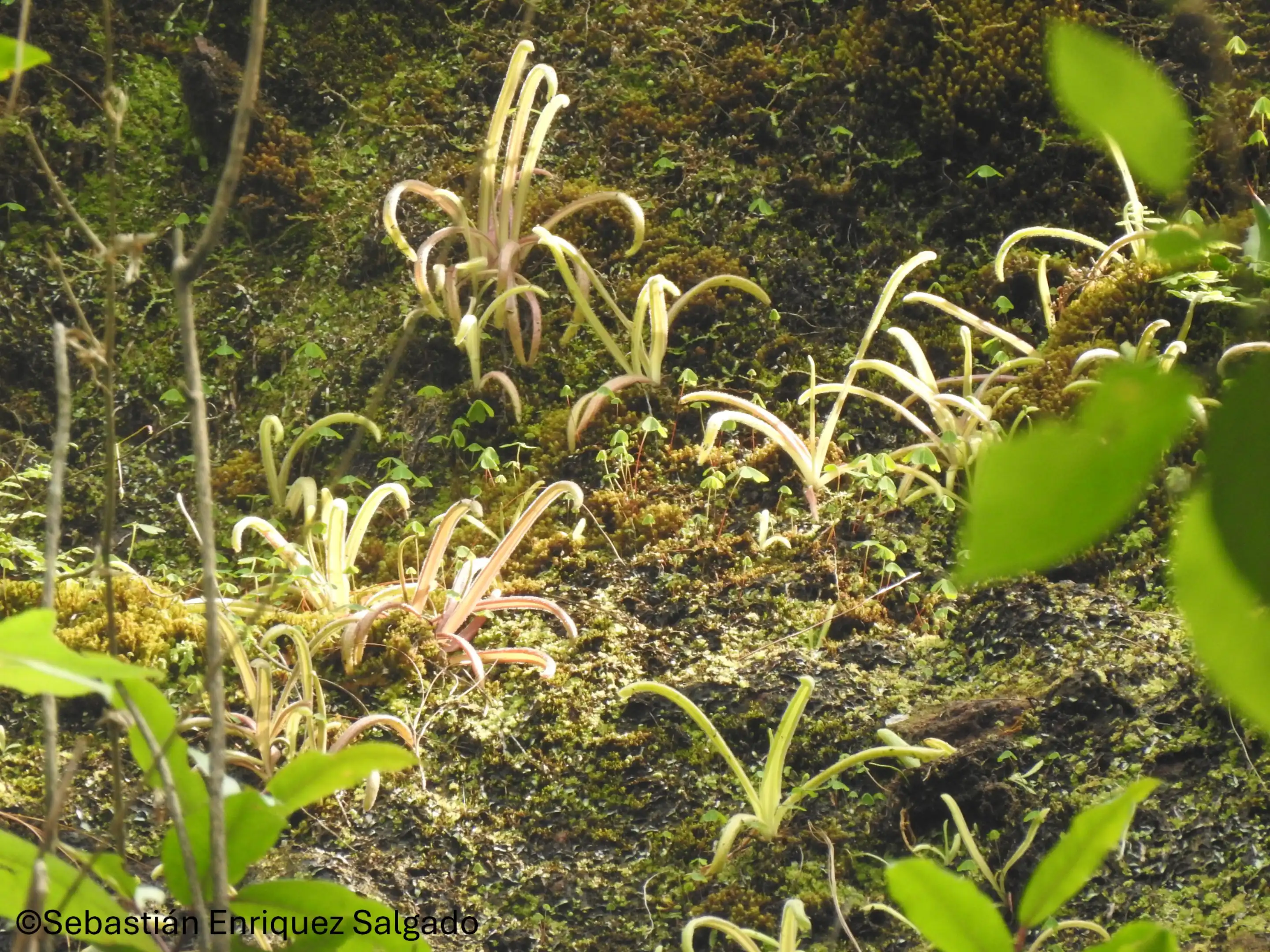
Pinguicula tlahuica
Page written by Sebastián Enriquez-Salgado & Gian Carlos Landa-Morales
TaxonomyPermalink
- Family: Lentibulariaceae
- Genus: Pinguicula
- Subgenus (sensu Casper): Pinguicula
- Section (sensu Casper): Orcheosanthus
- Species: Pinguicula tlahuica López-Pérez & Zamudio (2024).
- Publication: A new endemic species and species richness distribution of the genus Pinguicula (Lentibulariaceae) in the Trans-Mexican Volcanic Belt, Mexico. Botanical Sciences 102 (3): 995-1008. 2024 DOI: 10.17129/botsci.3485
DescriptionPermalink
(From the type description)
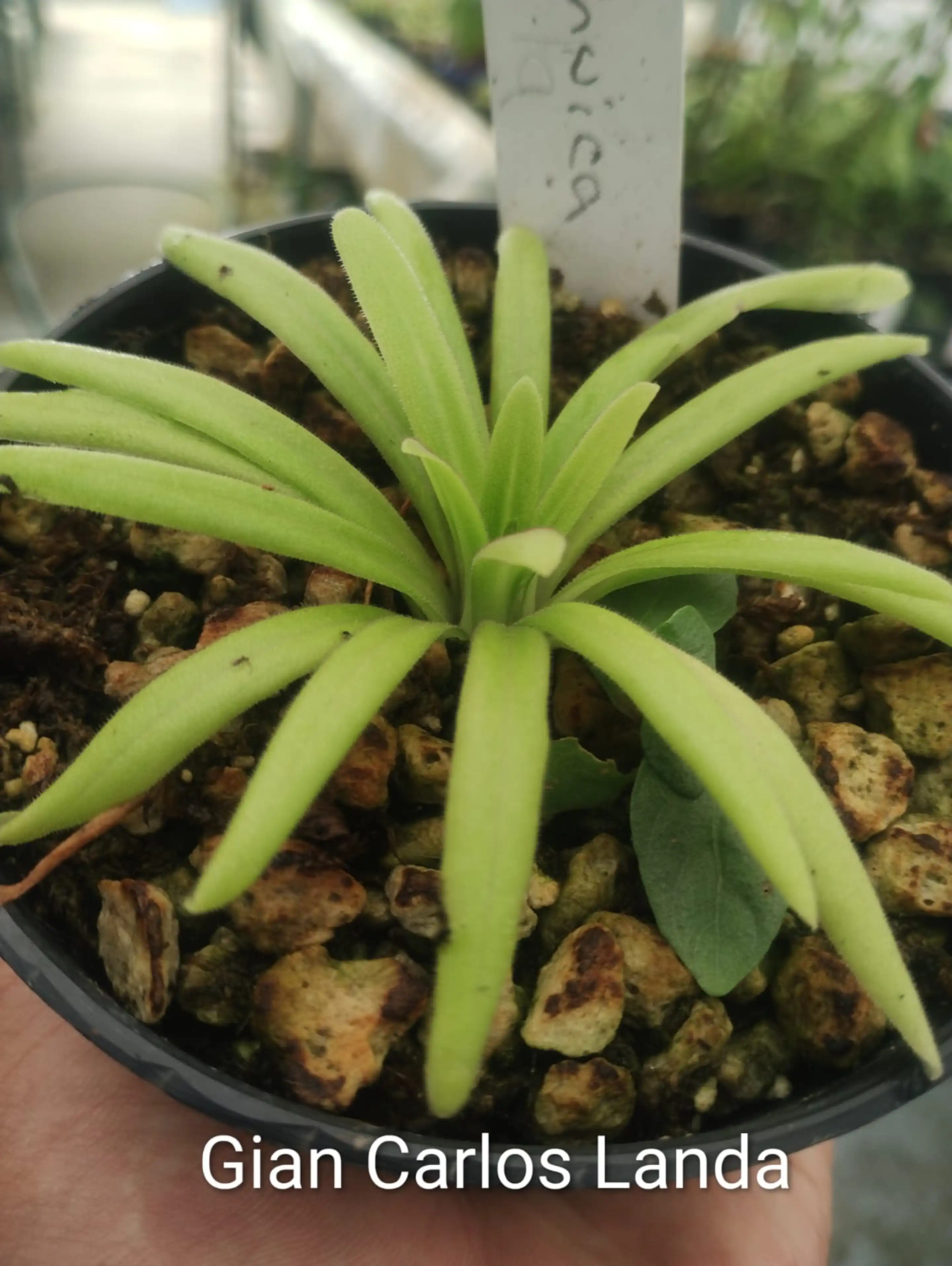
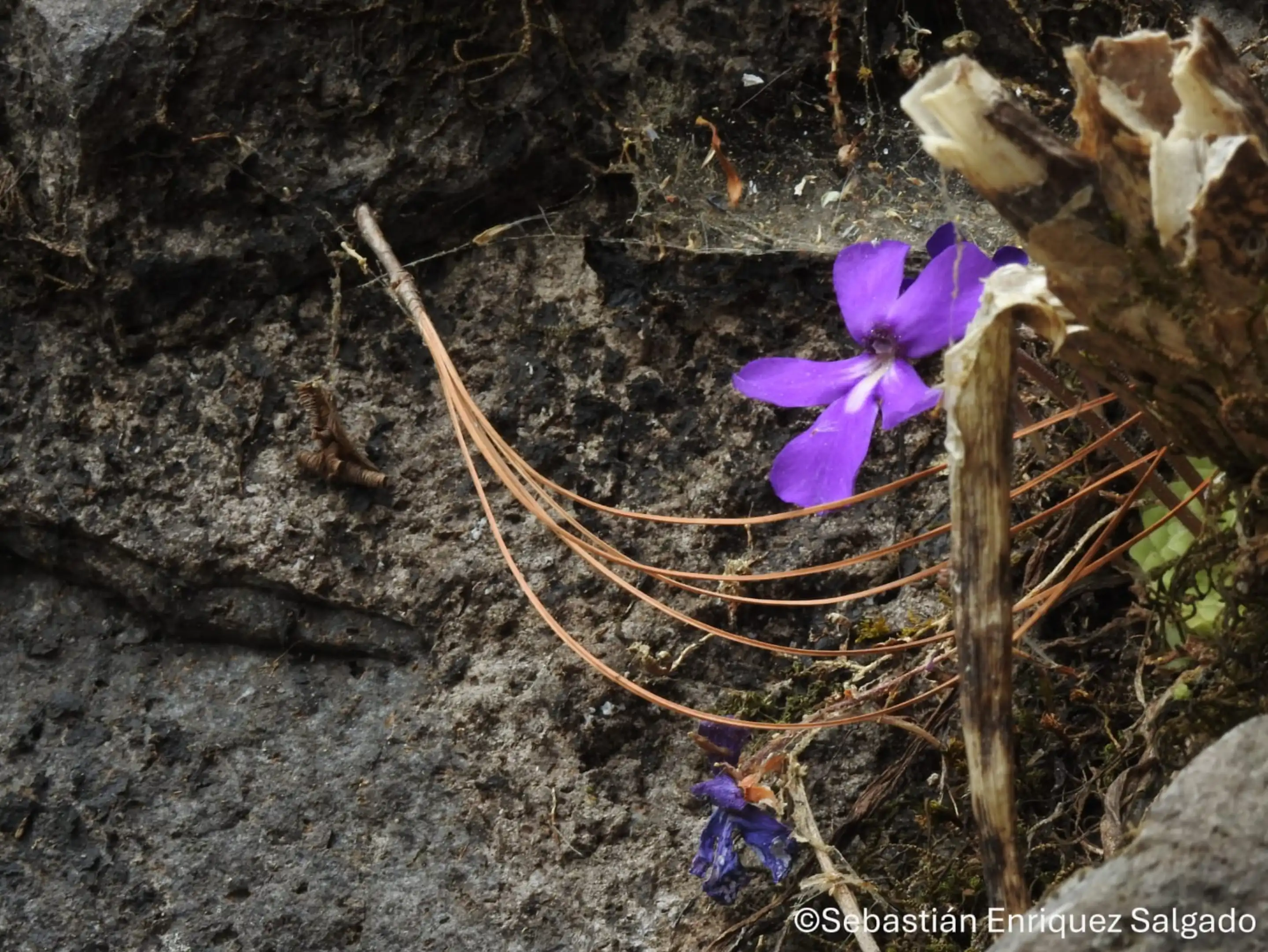
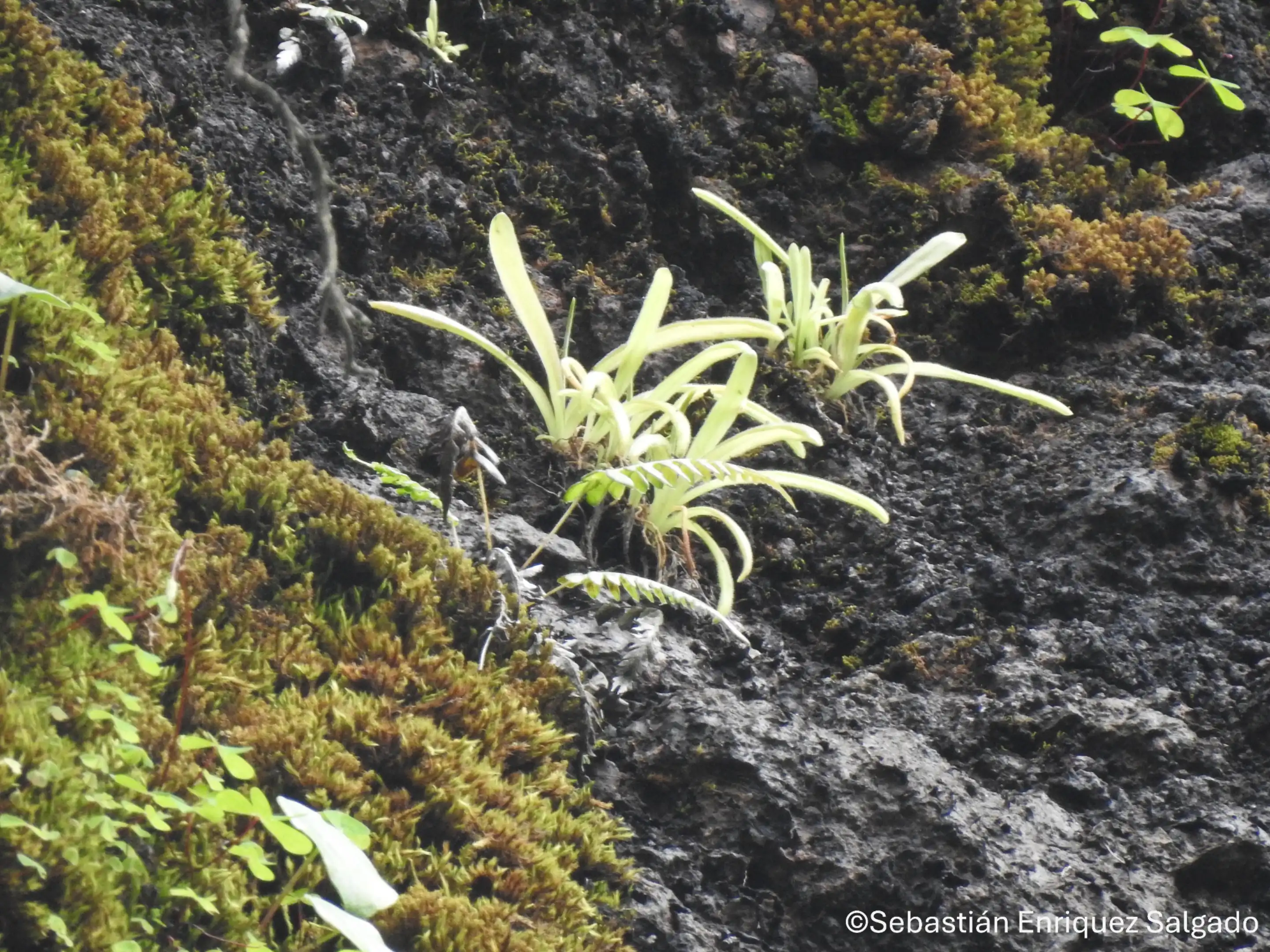
Perennial herbs. Leaves dimorphic, arranged into basal rosettes; winter rosette compact, subhypogeous, 1.2-1.9 cm in diameter, leaves 55-70, succulent, petiole 0.5-2.5 mm long, oblong, spathulate to oblong-spathulate, 2.5-8.0 × 1.0-3.0 mm, acute to obtuse, pubescent; summer rosette lax, leaves 4-8, sessile, ascending, linear-spatulate, 7.0-14.5 × 0.5-1.7 cm, acute to obtuse, margin revolute, pubescent on the upper surface with sessile and stipitate glandular trichomes. Peduncles 1-6 per plant, 4.0-12.0 cm long, pilosulose with stipitate glandular trichomes. Flowers 3.0-5.0 cm long, including the spur; calyx bilabiate, outer surface pilosulose with stalked glandular trichomes; upper lip trilobate, triangular lobes, 2.0 × 1.0 mm; lower lip bilobate, lobes triangular to lanceolate, 2.0 × 0.5 mm; corolla bilabiate, blue-violet (violet-blue group 95A), with a white macula at the base of lower lip that extends to the throat; upper lip bilobate, lobes oblong to obovate, 8.0-12.0 × 3.5-7.0 mm, truncate to obtuse; lower lip trilobate, lobes oblong to obovate, truncate to obtuse, lateral lobes 7.0-8.0 × 3.0-6.0 mm, the medium larger than the lateral ones, 8.0-10.0 × 4.0-6.5 mm; corolla tube infundibuliform, 2.5-4.0 × 2.0-2.5 mm, pilosulose with stalked glandular trichomes; spur cylindrical-subulate, 2.0-3.0 cm long, brown to green-greyish (brown group N200A, greyed-green group 197B); ovary subglobose, 1.5 mm in diameter, glandular pilosulose; stigma bilobate, blue-violet (violet-blue group 95A). Capsule globose, 4-5 mm in diameter. Seeds not seen.
Origin and HistoryPermalink
The Tlahuican Butterwort, also affectionately nicknamed ‘Nishi Muntzá Ninwí’ (from the Pjiekakj’oo/Tlahuica language), is a micro-endemic species to the Trans-Mexican Volcanic Belt, known from just under five locations worldwide and scarce in the wild, which has led to its categorization as an Endangered species (EN, IUCN). It’s characterized and distinguished from other previously known species by its summer rosette of linear-spatulate leaves up to 14 cm long. P. tlahuica blooms during April and May, when it retains its winter rosette. The flowers of this species can be easily confused with those of Pinguicula moranensis, as they are superficially identical. One of the most notable characteristics of its flowers is their bluish-purple color.
This species was first collected by the Lasallian brother Ernest (Pierre) Lyonnet. Lyonnet, in addition to being an emblematic pioneer of Mexican Lassalleanism, was a notable botanist and explorer who, during his 40 years in Mexico, collected herbarium specimens throughout the country. During explorations between the borders of the Mexican states of Morelos and Mexico in May 1955, Lyonnet found and preserved specimens of Pinguicula, which would eventually be deposited in the National Herbarium of Mexico (MEXU). These specimens were identified as a potential new taxon by the Mexican botanist Sergio Zamudio-Ruiz, who, between 2005 and 2016, visited the supposed collection area hoping to rediscover Lyonnet’s plants, but never found them. It wasn’t until 2021 that Aarón Rodriguez and collaborators found a Pinguicula with elongated leaves in ravines in the municipality of Ocuilan, State of Mexico.
After further observations, it was determined that this mysterious Pinguicula was the same species that Lyonnet found in 1955, being formally described in 2024 under the name Pinguicula tlahuica, in honor of the Tlahuica people, inhabitants of northern Morelos, as well as the municipality of Ocuilan, from where the holotype and isotype of the species come from.
Location / MapPermalink
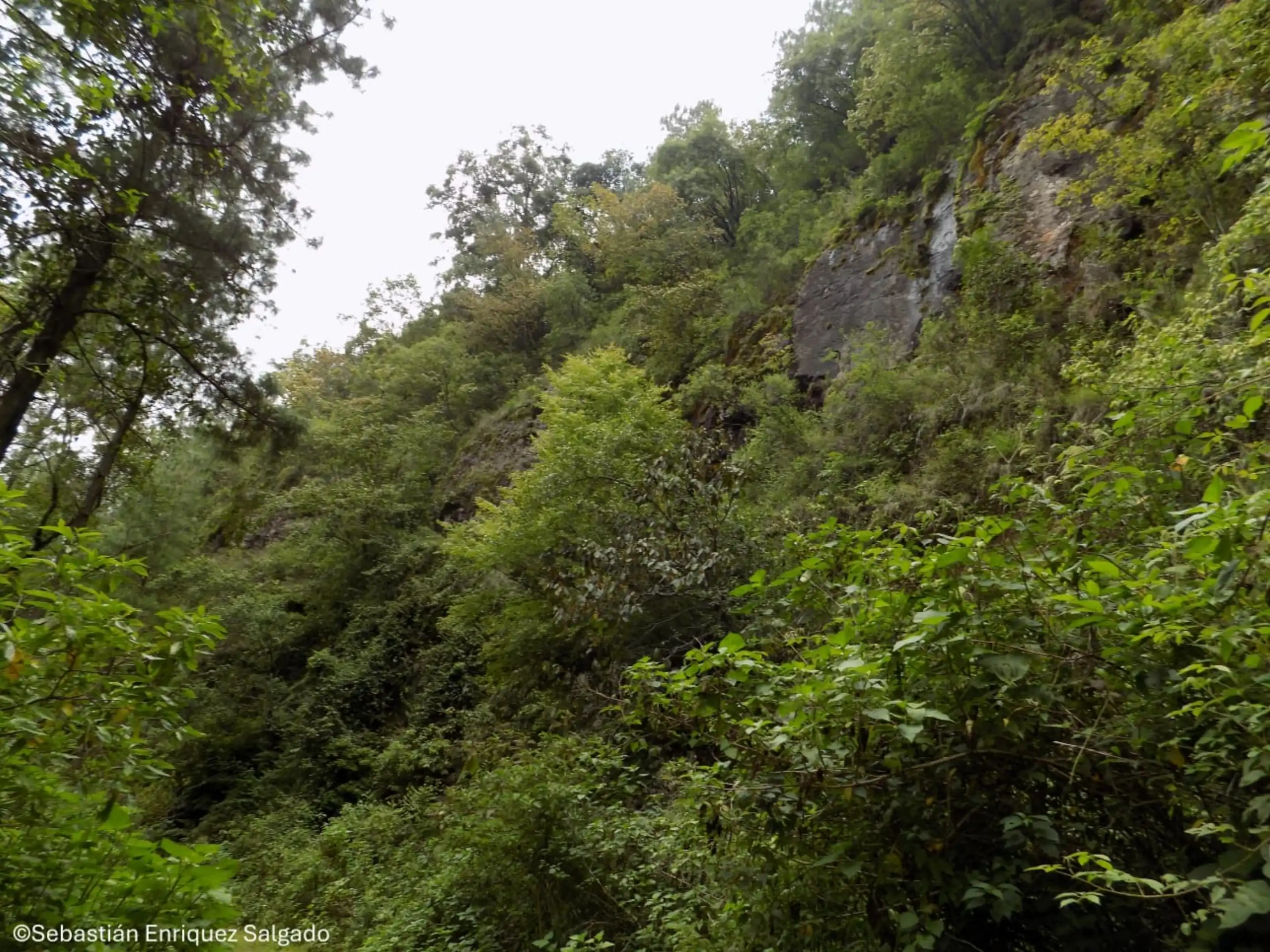
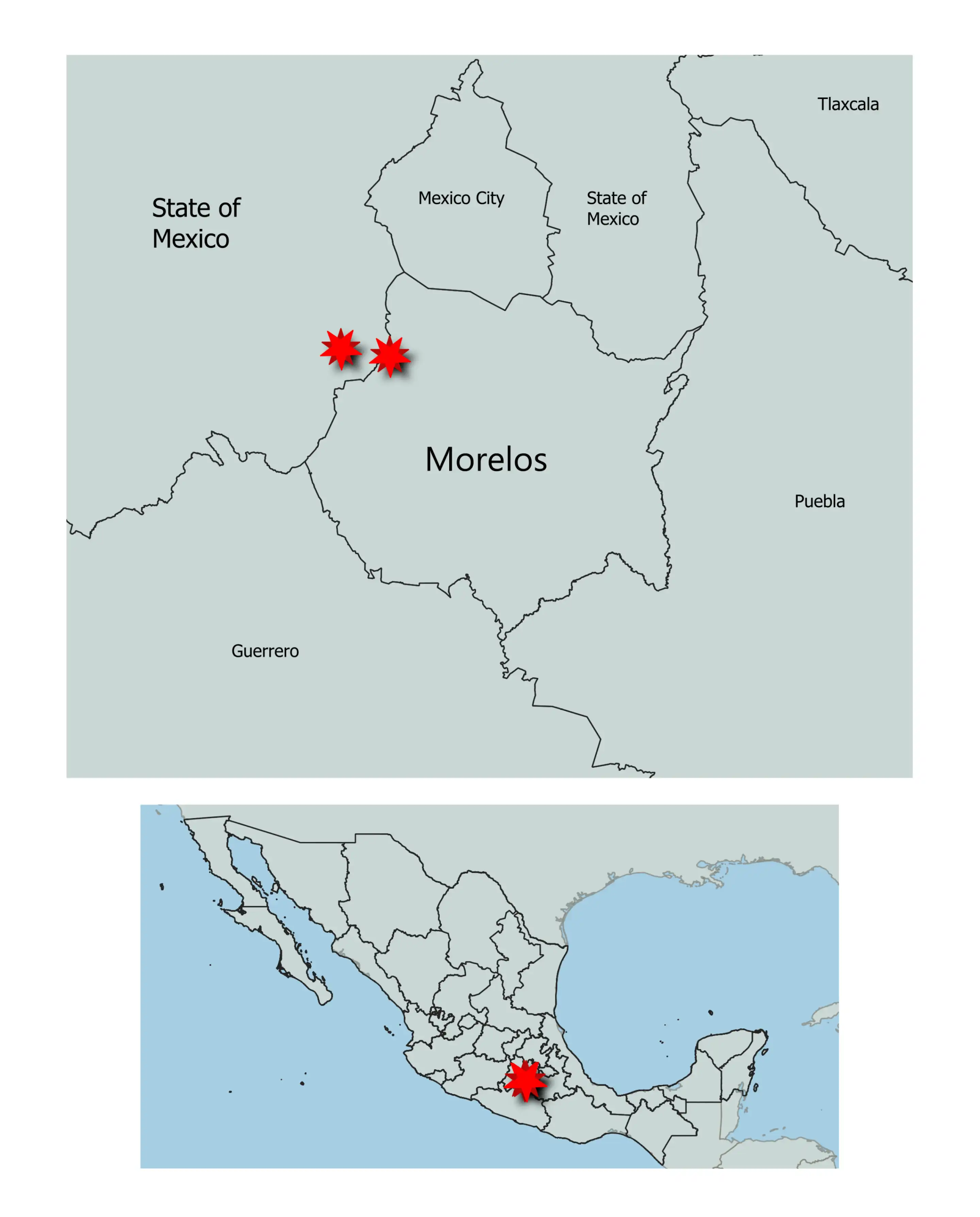
As noted earlier, P. tlahuica is a micro-endemic species, restricted to a handful of ravines in the municipality of Ocuilan, State of Mexico. However, Lyonnet’s initial collections were reportedly made in the vicinity of “Bella Vista del Monte, Municipality of Cuernavaca, Morelos.” It’s worth noting that in Cuernavaca (which borders Ocuilan), there’s no town called “Bella Vista del Monte,” but rather Buena Vista del Monte. To this day, the first author continues to explore this location in order to conduct more in-depth scientific research on this species.
ThreatsPermalink
We have identified three potential threats to the survival of this species in the wild:
- Extraction and over-collection of wild plants.
- Given the rarity and novelty of the species, P. tlahuica is susceptible to a decline in its wild populations due to the pursuit by amateur collectors. Fortunately for the plants, most of its populations are extremely difficult or simply impossible for poachers to reach.
- Random natural events.
- The first author has documented on multiple occasions the detachment of plants caused by heavy rainfall or landslides. Although this is a natural, unpredictable, and common occurrence, not only for Pinguicula but for many plants in the wild, these unfortunate events are nonetheless critical for a species with small numbers.
- Climate change and habitat loss.
- Known populations of P. tlahuica are located in areas near human settlements, making them vulnerable to destruction from urban expansion and forest fires. In recent times, the natural rainfall cycle upon which these plants depend has been highly fluctuating, with years that are less rainy and warmer. If this trend continues, it could worsen the species’ situation.
We believe that, until Mexico takes action to protect Butterworts, such as changes in legislation and habitat conservation measures, the only plausible alternative at the moment is the conservation of cultivated plants, giving amateur collectors the opportunity to acquire cultivated plants as a measure to mitigate poaching.
HabitatPermalink
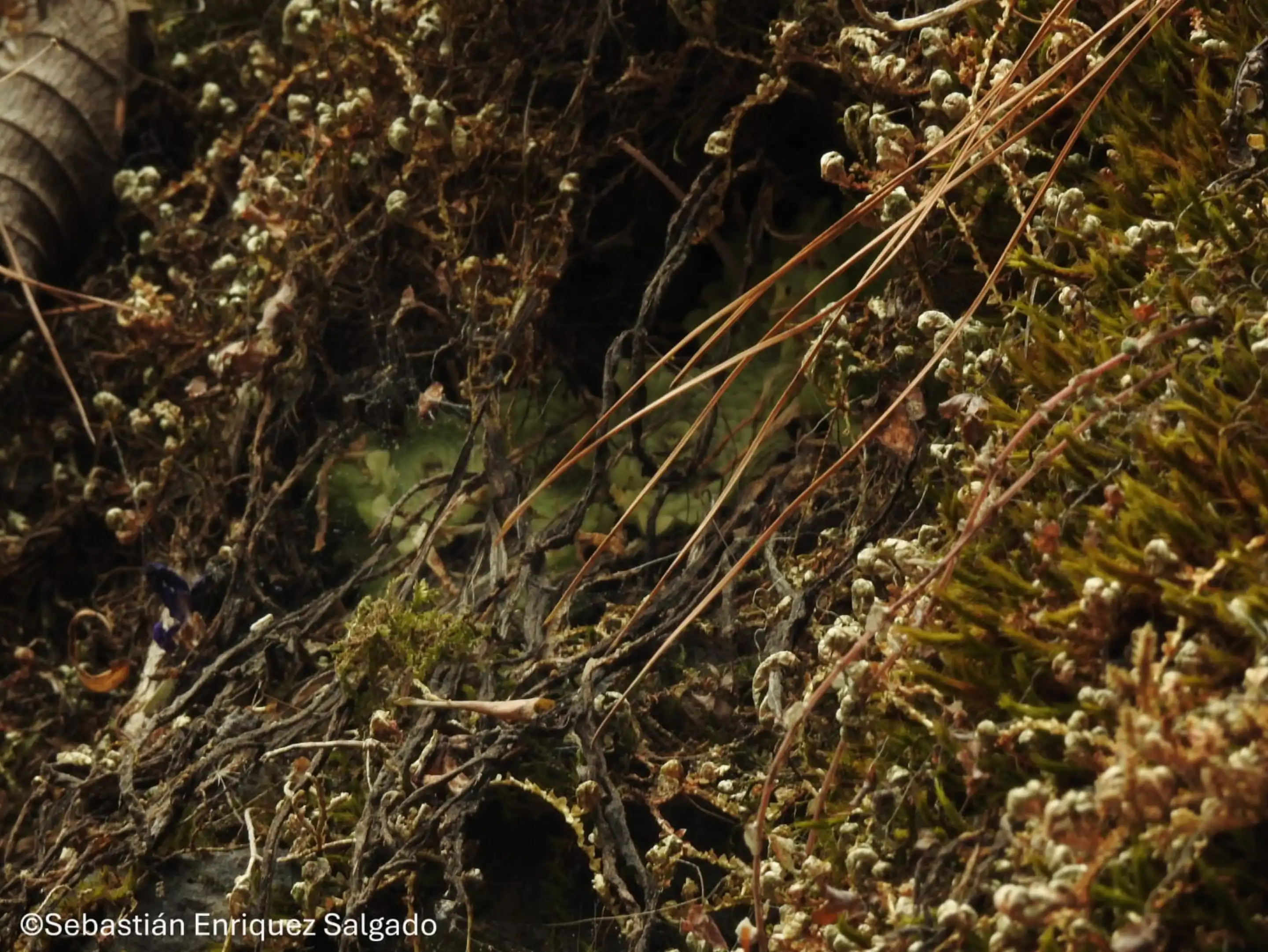
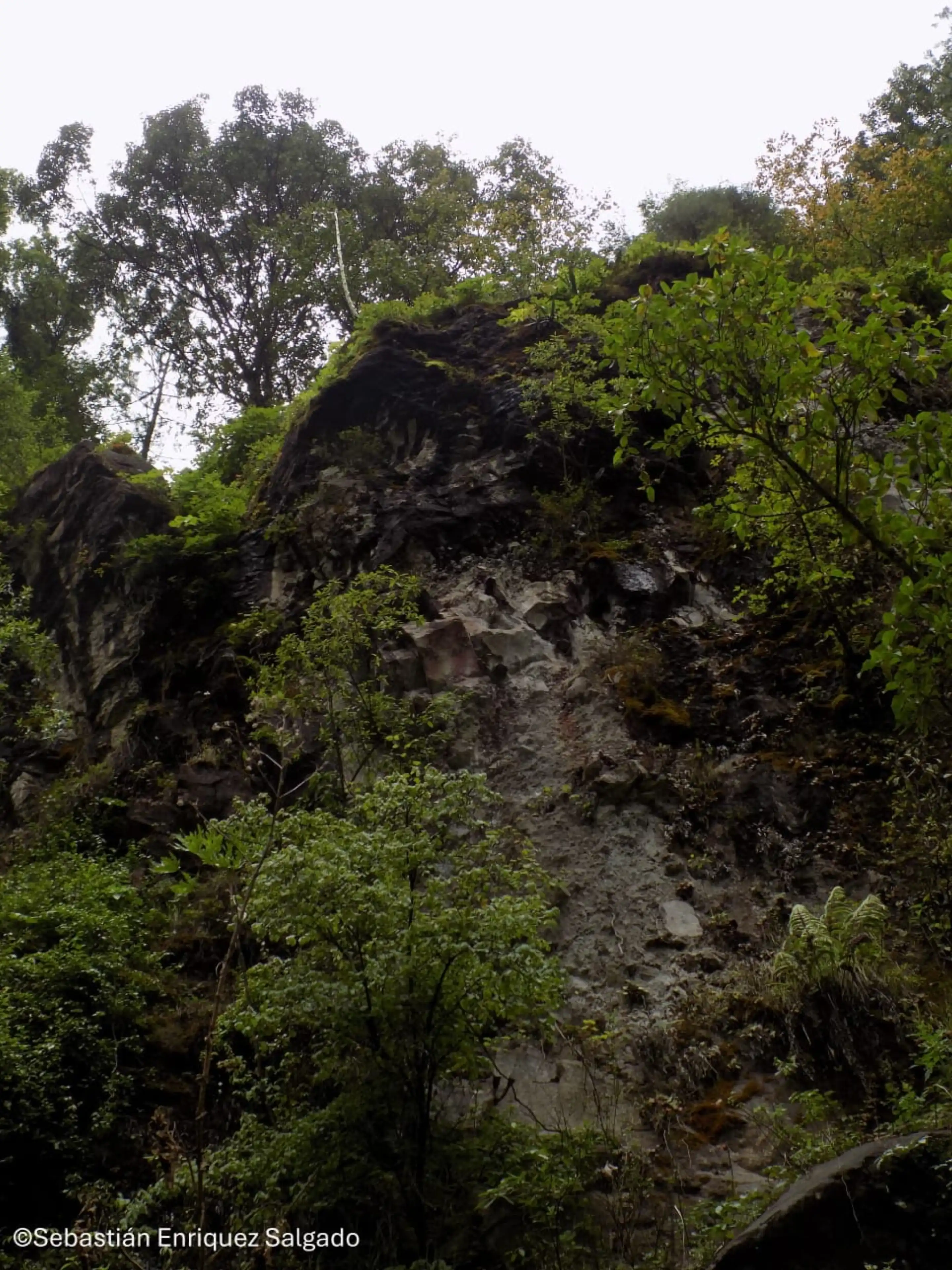
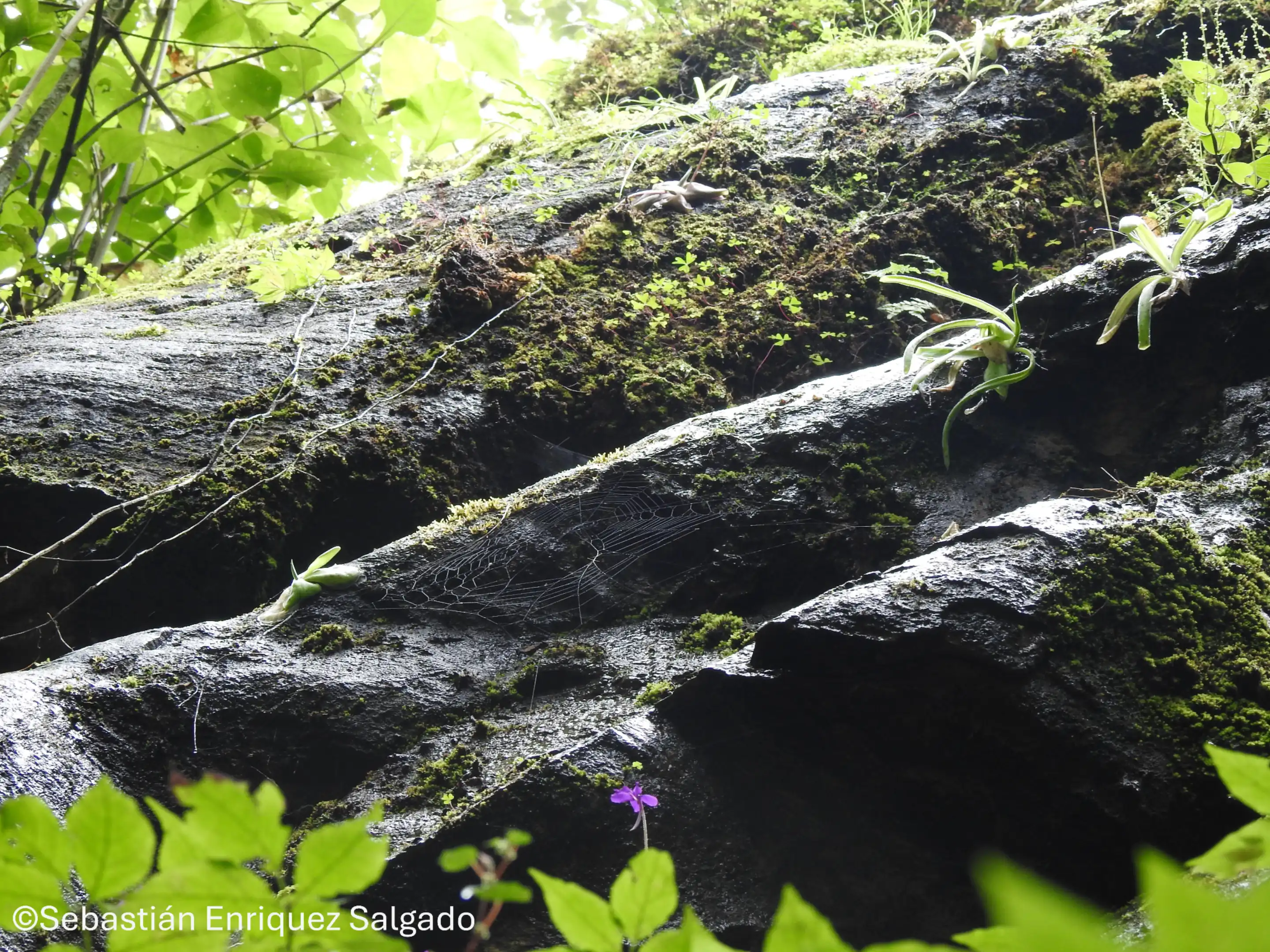
P. tlahuica grows in mossy crevices of igneous rocks, located in transition zones between pine-oak forests and montane cloud forests, or between pine-oak forests and elements of tropical deciduous forest, at an altitude of 1860–2310 meters above sea level.
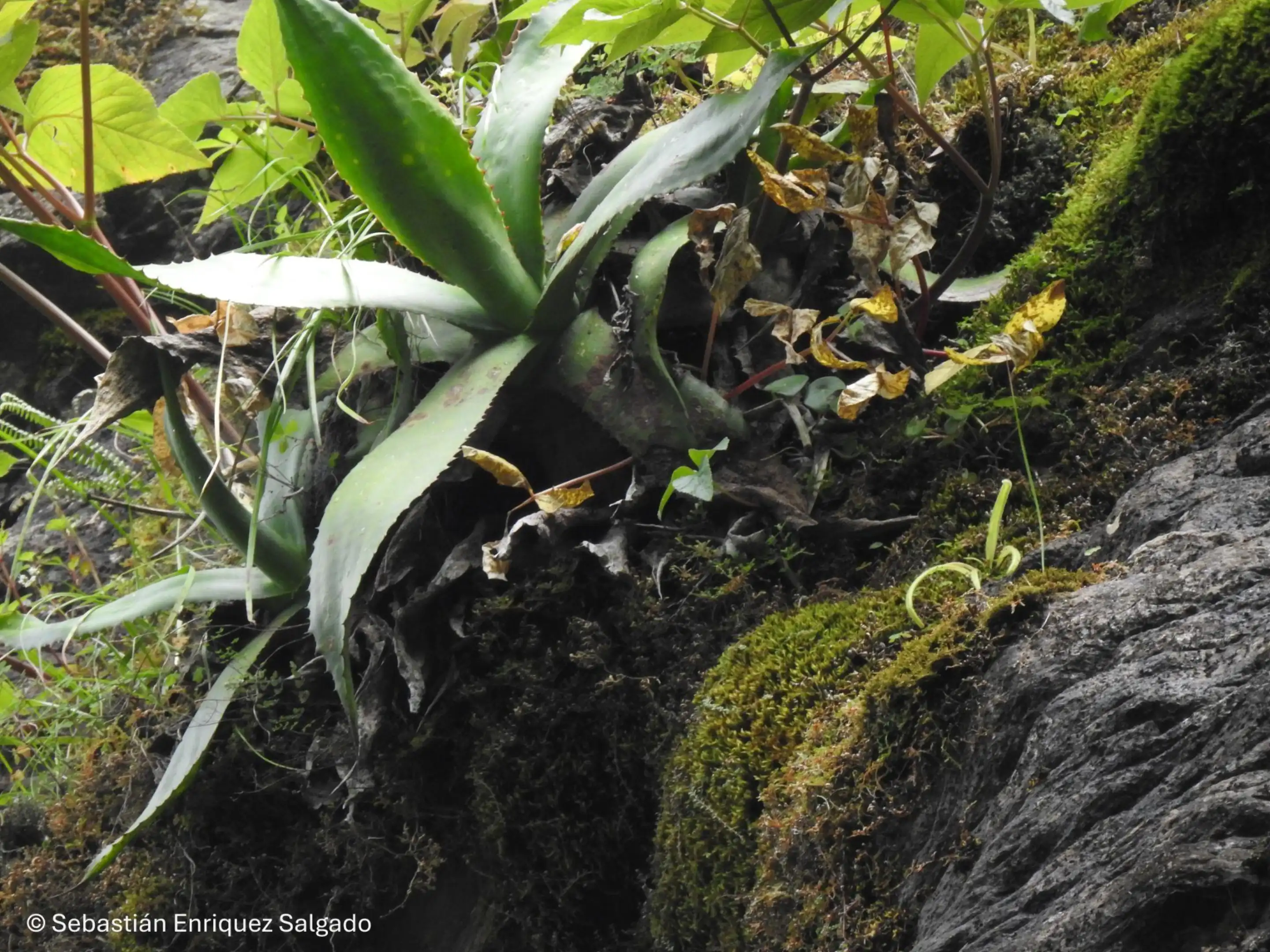
The plants typically develop in compact clusters of 3 to 8 individuals at a height of 6 to 40 meters above ground level on north-facing, vertical slopes of ravines, where cold, humid winds flow regularly, providing a constant supply of moisture and stable temperatures. Furthermore, during the rainy season (late May to late September), the slopes where these plants grow receive constant runoff. It’s worth noting that the specific temperature, humidity, water, and light conditions only occur in very particular microhabitats, where it also grows alongside plants of the genera Peperomia, Begonia, Lophospermum, and Disocactus, as well as species such as Echeveria fulgens, Bomarea edulis, Dahlia merckii, Agave inaequiens, and Pinguicula moranensis. After the rains, the habitat conditions change drastically, becoming much drier, especially during April and May, which, as mentioned earlier, is when flowering occurs.
Generally speaking, the habitat’s appearance and growth pattern are very similar to those reported in the Pinguicula calderoniae article.
Introduction to horticulturePermalink
There are currently specimens of this species under the care of a national collection of Mexican Pinguicula in the city of Coatepec, in the state of Veracruz, Mexico. These specimens are being used to introduce this species into horticulture, which is still ongoing.
MediumPermalink
A medium of 60% and 40% organic was used: 2 parts perlite or Agrolite, 2 parts tezontle (volcanic rock) or tepojal (pumice), 2 parts moss. In this type of medium, plants grow quickly and develop a stronger root system, preventing rot.
PotPermalink
Plastic, terracotta color, 12.5 cm, height 12 cm.
CultivationPermalink
I believe it is important to have a well-ventilated area in the greenhouse, maintaining controlled temperatures and consistently high ambient humidity. Watering is also very important: Keep the substrate completely dry during its winter rosette stage, allow the medium to dry slightly between waterings, watering every three days while avoiding the winter months. I’m watering from the top of the pot using rainwater. It’s important to avoid wetting the plant’s rosette from October to May and to keep the pot dry. Atmospheric humidity is around 75-90%. The months mentioned are indicative and may vary depending on your own growing conditions. In fact, when this Pinguicula begins to produce its non-carnivorous leaves, you should stop watering and let the pot dry. Conversely, when the plant starts producing its carnivorous leaves in early spring, you should gradually start watering the pot again.
TemperaturePermalink
During growth, the temperature is always controlled and never exceeds 27.5 degrees C during the day. The night temperature can vary greatly depending on the outside environmental conditions of the city.
Flowering periodPermalink
April to May
PropagationPermalink
This species is currently being reproduced through in vitro cultivation in Mexico. The species is very complicated in its reproduction, both in vitro and ex vitro, which is why few specimens are known in cultivation in the country. Work is also being done on a detailed cultivation protocol for the species.
ImagesPermalink